This Is Why You Gotta Drive Through Puerto Rico’s Wild Side
Driving through San Juan, Puerto Rico, I discovered nature in ways I never expected. Beyond the city’s colorful streets, the island unfolds into lush rainforests, hidden waterfalls, and windswept coastal roads. With keys in hand and no strict itinerary, I chased sunrises, found secret beaches, and felt the freedom only a self-drive journey can offer. This is not just a trip—it’s an immersive escape into Caribbean natural beauty at your own pace. The rhythm of the island reveals itself most clearly through the open window of a rented car, where every turn offers a new vista, every detour a potential discovery. From the misty peaks of El Yunque to the bioluminescent glow of Mosquito Bay, Puerto Rico’s wild side is best explored on four wheels, guided by curiosity and the quiet confidence of independence.
The Freedom of the Open Road in San Juan
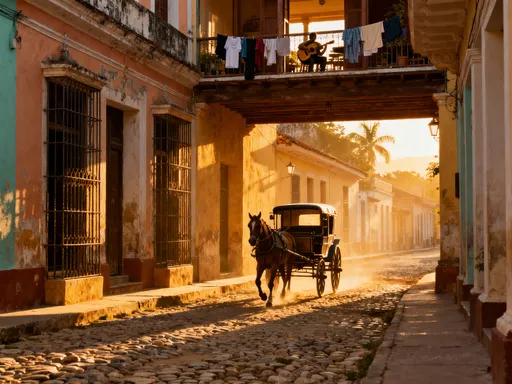
Beginning a journey in Old San Juan is like stepping into a living postcard—pastel buildings with wrought-iron balconies, cobblestone streets echoing with history, and the scent of jasmine drifting through the evening air. Yet just beyond the city’s colonial charm lies a different Puerto Rico: one of untamed coastlines, dense forests, and roads that snake into the island’s green heart. Renting a car transforms the travel experience from passive sightseeing to active exploration. Public transportation in Puerto Rico is limited, especially in rural and natural areas, making a vehicle not just convenient but essential for those who want to go beyond the tourist brochures.
With a car, travelers gain access to places that feel untouched and authentic. The drive out of San Juan along Route 26 offers a smooth transition from urban energy to coastal calm. Within minutes, the skyline gives way to palm-lined highways, and the radio shifts from salsa beats to the rustle of wind through passing trees. The ability to stop at will—whether for a roadside view, a sudden rain shower under a highway overpass, or a spontaneous detour down a dirt road—adds a layer of spontaneity that structured tours simply can’t replicate. This freedom is not just logistical; it’s emotional. It fosters a sense of autonomy, a feeling that the journey belongs entirely to the traveler.
Moreover, having a car allows for early departures, crucial for beating crowds at popular natural attractions. Sunrise at Isla Verde Beach, for example, is a serene experience when reached before the hotels wake up. Similarly, driving enables multi-destination days—morning coffee in San Juan, a midday hike in the rainforest, and dinner by the sea—without the stress of missed buses or rigid schedules. The car becomes a mobile base, a private space where families, couples, or solo travelers can move at their own rhythm, pause when inspired, and linger where the moment feels right. In Puerto Rico, where nature and culture blend seamlessly, the open road offers the most intimate way to experience it all.
El Yunque National Forest: Where the Jungle Meets the Sky
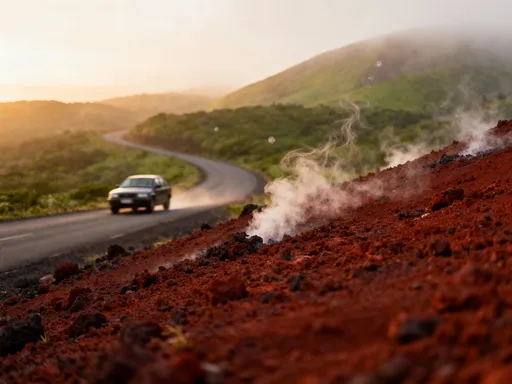
Rising like a green fortress from the northeastern coast, El Yunque National Forest is the crown jewel of Puerto Rico’s natural wonders. As the only tropical rainforest in the U.S. National Forest System, it spans nearly 29,000 acres of mountainous terrain, home to over 200 species of trees, 50 types of orchids, and the iconic coquí frog whose nighttime chorus fills the air. Driving into El Yunque from San Juan takes about an hour, with the final ascent along Route 191 winding through increasingly lush and misty landscapes. Each turn reveals a new layer of green—vines draped over branches, ferns unfurling in the damp shade, and waterfalls tumbling down moss-covered cliffs.
The journey upward is as transformative as the destination. Temperatures drop noticeably as elevation increases, offering a welcome relief from the coastal heat. The road itself is well-paved but narrow in sections, requiring careful navigation, especially during rainy periods when fog can reduce visibility. Parking is available at several trailheads, with the main visitor center serving as an ideal starting point. Here, travelers can pick up maps, learn about current trail conditions, and view interpretive exhibits on the forest’s ecology. While the visitor center is small, it provides essential context for understanding the delicate balance of this unique ecosystem.
For those seeking waterfalls, the La Mina Trail leads to a stunning cascade where visitors can wade in cool, clear pools—though caution is advised after heavy rains when currents can become strong. The more accessible Yokahú Tower offers panoramic views of the forest canopy and the Atlantic Ocean beyond, especially breathtaking at sunrise. To avoid crowds, arriving early—before 8 a.m.—or visiting on weekdays is highly recommended. Weekends and holidays bring large numbers of local families and tourists, particularly to popular swimming holes like Angelito Falls.
Responsible visitation is critical. El Yunque has faced challenges from hurricanes and overuse, so staying on marked trails, packing out all trash, and refraining from disturbing wildlife are not just suggestions but necessary practices. The forest’s magic lies in its quiet moments—the hush after a rain shower, the flash of a hummingbird between flowers, the distant rumble of falling water. These are experiences best absorbed slowly, with time allowed for stillness and observation. Driving into El Yunque isn’t just about reaching a destination; it’s about entering a living, breathing world where nature speaks in whispers and wonders.
Coastal Escape: The Road to Luquillo and Beyond
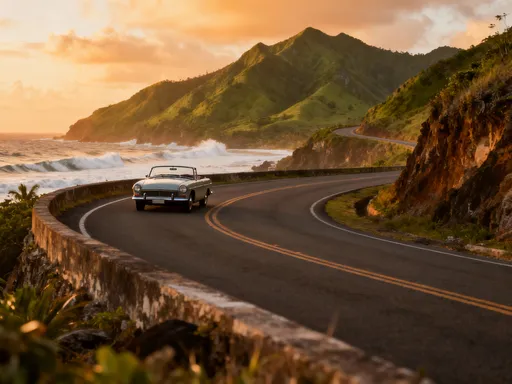
From the cool heights of El Yunque, the descent toward the coast along Route 3 is a sensory delight. The air grows warmer, the ocean appears in glimpses between the trees, and the scent of salt mingles with the aroma of roadside grills. This stretch of highway, known locally as the Carretera PR-3, runs parallel to the northeastern shoreline, connecting small towns, fishing villages, and stretches of sandy beach. It’s a drive that invites slowness—windows down, music low, eyes alert for the next scenic pull-off or food kiosk selling fresh coconut water and alcapurrias.
Luquillo, about 20 minutes from the forest’s edge, is a favorite stop for both locals and visitors. Its main beach, Playa Azul, is wide and gently sloping, perfect for families and casual swimmers. But the real draw for many is the Kioskos de Luquillo, a row of colorful food stands offering some of the island’s best street eats. From mofongo and tostones to fresh lobster sandwiches and piña coladas in coconuts, the kiosks are a celebration of Puerto Rican flavors. Parking is available, though it fills quickly on weekends. Eating here isn’t just about the food; it’s about the atmosphere—the laughter of children, the clatter of plates, the way the sea breeze carries the sound of reggaeton from a nearby speaker.
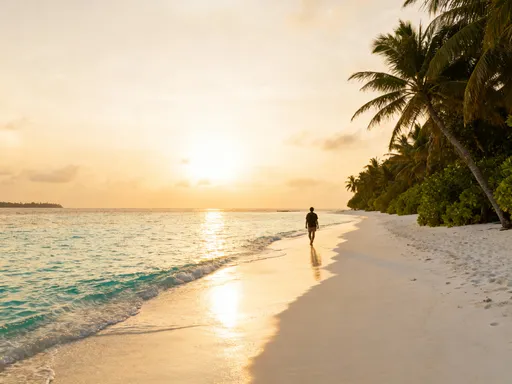
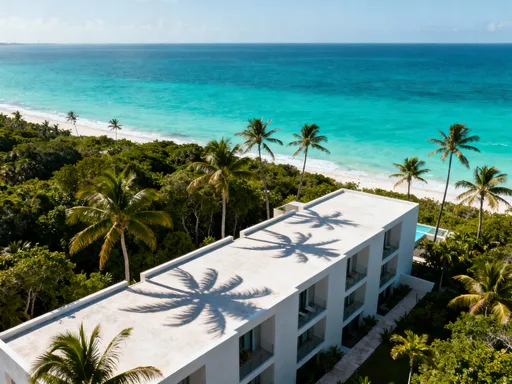
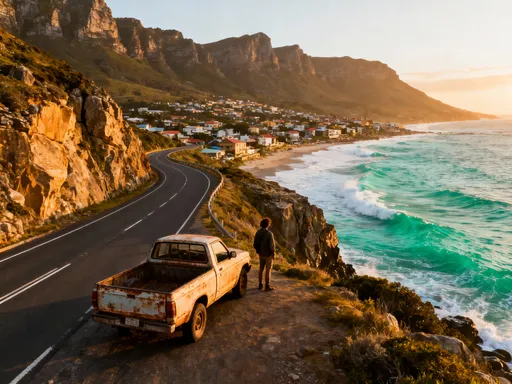
Continuing east, the road hugs the coastline, offering uninterrupted ocean views. Small coves appear unexpectedly, some marked with signs, others known only to those with local knowledge. Places like Playa La Monserrate and Seven Seas Beach provide calm waters and soft sand, ideal for snorkeling or simply floating in the warm Caribbean sea. The rhythm of coastal driving is one of ease and discovery. There’s no pressure to reach a specific point—each mile unfolds at its own pace, shaped by the traveler’s mood and curiosity.
For those traveling with children or elderly companions, the accessibility of these beaches is a major advantage. Many have restrooms, lifeguards during peak hours, and shaded picnic areas. The drive itself becomes part of the vacation—no long hikes or difficult climbs required to enjoy the scenery. Yet, even within this accessibility, there’s room for adventure. A sudden rain shower might send everyone running for cover under a roadside shelter, only to be followed by a brilliant rainbow arcing over the water. These unplanned moments, made possible by the flexibility of self-driving, often become the most cherished memories of the trip.
Off-the-Beaten-Path: Discovering Hidden Beaches Near Fajardo
Beyond the well-trodden shores of Luquillo lies a quieter, more secluded coast centered around the town of Fajardo. Here, the landscape grows more rugged, the roads narrower, and the beaches less crowded. With a car and a reliable map—preferably downloaded for offline use—travelers can uncover hidden gems like Playa Caribe and Bahía Honda, places where the sand is powdery white and the water glows in shades of turquoise and emerald. These beaches are not hidden because they’re inaccessible, but because they require intention to reach—no tour buses pull up here, and few taxis make the trip.
Playa Caribe, located just off Route 901, is a narrow strip of sand backed by sea grapes and coconut palms. It’s rarely crowded, even on weekends, and offers excellent conditions for snorkeling, especially along the rocky edges where tropical fish dart between coral formations. Parking is limited to a small dirt lot, and there are no facilities, so visitors must come prepared with water, shade, and trash bags. Bahía Honda, a bit farther east, is even more secluded. Once a private resort, it’s now a public beach with calm waters and a sense of peaceful isolation. The access road is unpaved in parts, making a standard sedan usable but a higher-clearance vehicle more comfortable.
Exploring these beaches requires a mindset of respect and responsibility. Because they are not heavily managed, they are more vulnerable to litter and environmental damage. Travelers are urged to follow the principles of Leave No Trace—taking all belongings and waste with them, avoiding loud music, and refraining from feeding or disturbing marine life. The beauty of these places lies in their simplicity and authenticity. There are no beach chairs for rent, no vendors walking the shore, no loudspeakers. Just the sound of waves, the warmth of the sun, and the pleasure of knowing you’ve found a spot few others know.
For families, these beaches offer a chance to unplug and reconnect. Children can explore tide pools, build sandcastles without interruption, and swim in waters that feel private and safe. For solo travelers or couples, the solitude provides space for reflection and relaxation. The act of finding these places—navigating a twisty road, asking a local for directions, arriving dusty but triumphant—adds to their value. They are not just destinations but achievements, earned through curiosity and a willingness to venture beyond the obvious.
Driving the Bioluminescent Bay Access Points at Night
One of Puerto Rico’s most magical natural phenomena is its bioluminescent bays, where microscopic organisms in the water emit a soft blue glow when disturbed. Mosquito Bay on the island of Vieques is widely regarded as the brightest of them all, a place where every paddle stroke in a kayak leaves a trail of light, and a hand dipped into the water seems to sparkle. Reaching this wonder requires planning, as Vieques is accessible only by ferry or small plane from the main island. Travelers with a rental car can drive to the ferry terminal in Ceiba, load their vehicle onto the barge, and arrive in Vieques with the freedom to explore at their own pace.
The ferry ride takes about 30 minutes and runs multiple times a day, though reservations are recommended, especially during peak seasons. Once on Vieques, the drive to Mosquito Bay is straightforward but should be done with care, as many roads are unpaved and poorly lit at night. Arriving early allows time to settle in, visit the visitor center for safety guidelines, and prepare for the evening tour, which is the only way to enter the bay. These guided kayak excursions are led by licensed operators who emphasize environmental protection and low-impact tourism.
Nighttime navigation on Vieques requires extra caution. Streetlights are sparse, and road signs are minimal. A fully charged phone with an offline map is essential, as is a flashlight or headlamp for walking to the launch point. The experience itself is unforgettable—gliding across black water that bursts into light with every movement, stars overhead mirroring the glow below. However, visibility depends on several factors: moon phase, water temperature, and recent rainfall. A full moon can diminish the effect, so many visitors prefer nights closer to the new moon for maximum brilliance.
It’s important to manage expectations. The bioluminescence is a natural phenomenon, not a light show, and its intensity can vary. Still, even a modest glow carries a sense of wonder, a reminder of the delicate and mysterious workings of nature. For families, the experience is both educational and enchanting, offering a chance to discuss marine biology in the most captivating way possible. For couples or solo travelers, it’s a moment of quiet awe, a shared secret with the night. Driving to and from the bay, with the island’s quiet roads under the stars, extends the magic of the experience, making it not just a tour but a journey.
Roadside Surprises: Nature, Culture, and Local Encounters
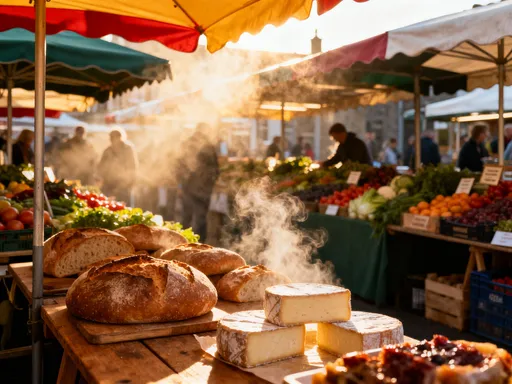
Some of the most memorable moments of a self-drive trip come not from planned destinations but from unexpected encounters along the way. In Puerto Rico, these surprises are part of the journey’s charm. While driving through the interior hills near Río Grande, it’s not uncommon to spot wild horses grazing near the roadside, their silhouettes stark against the green hills at sunset. In the central mountain town of Cayey, a small fruit stand might offer fresh guavas, passionfruit, and sugar cane juice pressed on the spot. These moments, brief and unplanned, add depth and authenticity to the travel experience.
Gas stations in rural areas often double as informal gathering spots. Stopping for fuel or water can lead to conversations with locals who offer advice on hidden trails, upcoming festivals, or the best place to buy fresh coconuts. These interactions, though fleeting, create a sense of connection, reminding travelers that they are guests in a living community, not just consumers of scenery. In a small town like Naguabo, a roadside kiosk might serve “pinchos”—grilled meat skewers wrapped in paper—with a smile and a recommendation to visit the nearby boardwalk.
For families, these stops become part of the story. Children remember the taste of a mango eaten in the car, the sight of a rooster wandering a village square, or the sound of a cuatro being tuned in a back garden. These sensory details, collected along the way, form a richer, more personal narrative than any guidebook can provide. They reflect the rhythm of island life—slower, more connected, and deeply rooted in place.
Moreover, driving allows for repeated visits to favorite spots. A beach passed during the day might be revisited at sunset. A waterfall seen from the road might invite a return with swimsuits and towels. This flexibility transforms the trip from a linear progression to a dynamic exploration, where the map is not fixed but shaped by curiosity and delight. In Puerto Rico, where nature and culture are so closely intertwined, the roadside is not just a corridor but a corridor of discovery.
Practical Tips for a Smooth Self-Drive Adventure
To make the most of a self-drive journey in Puerto Rico, preparation is key. Start with the rental car: choose a reliable model with air conditioning, especially if traveling during the hotter months. While compact cars can handle most roads, a vehicle with higher clearance is advisable for unpaved routes to remote beaches or mountain trails. Major rental agencies operate at Luis Muñoz Marín International Airport, and booking in advance ensures availability and better rates. Always inspect the vehicle for scratches or dents before driving off the lot and document any issues with photos.
Understanding local driving customs is essential. Puerto Rican roads vary widely in condition—highways are generally well-maintained, but rural roads can be narrow, winding, or unpaved. Speed limits are posted in miles per hour, and seat belt use is mandatory for all passengers. Traffic moves on the right, and roundabouts are common in urban areas. While most drivers are courteous, defensive driving is recommended, particularly at night or in heavy rain. Gas stations are plentiful, but it’s wise to fill up before heading into remote areas, as some rural stations may close early.
Navigation is greatly enhanced by using offline maps. While cellular service is generally good in cities and along main roads, it can be spotty in mountainous or coastal regions. Downloading Google Maps or another navigation app for offline use ensures that you won’t lose your way. Physical maps are also useful as backups. Parking in San Juan and other towns may require payment through apps or meters, while rural areas often have free but unmarked lots—always observe local signage and avoid blocking private driveways.
Safety and sustainability go hand in hand. Keep valuables out of sight, lock the car when unattended, and avoid driving in unfamiliar areas after dark. Respect for the environment is equally important: use reusable water bottles, avoid single-use plastics, and never leave trash behind at natural sites. Many beaches and forests rely on volunteer efforts for cleanup, so being a responsible visitor helps preserve Puerto Rico’s beauty for future generations. With the right preparation, a self-drive adventure becomes not just enjoyable but meaningful—a journey of discovery, connection, and quiet wonder.
A self-drive journey around San Juan and beyond isn’t just about reaching destinations—it’s about embracing the rhythm of the island. Each turn reveals a new facet of Puerto Rico’s natural soul, from thundering falls to silent bays glowing under stars. This kind of travel lets you connect deeply, move freely, and leave with more than memories—you carry a sense of wonder only the open road can deliver.