Taste the Sky: How Cologne’s Architecture Elevates Its Food Soul
Walking through Cologne, I never expected towering spires to shape how I tasted food. But here, medieval alleys lead to modern eateries tucked beneath historic arches, and riverside views pair with schnitzel like they were made for each other. This city doesn’t just feed you—it immerses you. The blend of Gothic grandeur and cozy culinary traditions creates moments that stick far longer than any meal. Every bite seems to echo the centuries, every aroma swirling through stone corridors that have stood through wars, floods, and rebirths. In Cologne, dining is not a pause in sightseeing; it is part of the sight, the sound, the very breath of exploration.
First Bites with a View
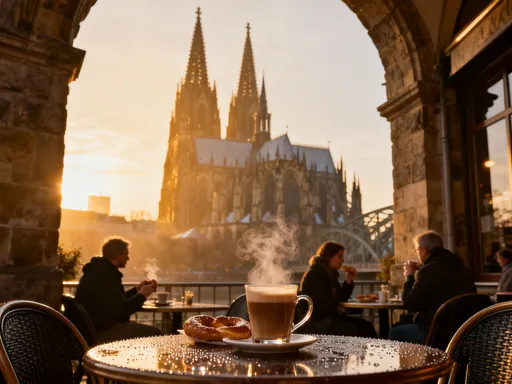
There is a quiet magic in sipping coffee as dawn light spills across the twin spires of Cologne Cathedral. One of the most iconic Gothic structures in Europe, the cathedral rises like a limestone sentinel over the city, its intricate façade catching the sun in ever-changing patterns. Just steps away, small cafés open early, offering fresh pretzels with a crisp, golden crust and a soft, chewy center—best enjoyed with a cup of locally roasted coffee. The experience is simple, yet deeply resonant. Eating here is not merely about sustenance; it is about alignment—with history, with place, with the rhythm of a city that begins its day in reverence of both tradition and beauty.
The architectural scale of the cathedral does more than impress—it transforms the ordinary into the extraordinary. A breakfast of buttered pretzels and jam becomes a ritual when framed by soaring stone towers. The sheer size of the cathedral grounds visitors, offering a sense of perspective. It reminds them that some things endure, and that daily life can unfold beneath monuments without diminishing their power. In fact, the contrast between the monumental and the mundane enhances both. The cathedral does not dominate the experience; it deepens it. The clink of cutlery, the murmur of conversation, the warmth of a ceramic mug—all are elevated by the presence of centuries.
For the best experience, timing is essential. Early morning offers a rare stillness, when the square in front of the cathedral is not yet crowded, and the light is soft and golden. This is the moment to sit outside, if weather permits, and absorb the quiet grandeur before the city fully wakes. By midday, the area buzzes with tourists, street performers, and guided groups. Evening brings a different mood—illuminated stonework, the sound of chimes from the cathedral bells, and a more reflective atmosphere. Whether morning or night, the emotional impact of dining with the cathedral in view is profound. It connects the diner to something larger than themselves—a continuity of culture, craftsmanship, and community.
Accessibility is excellent, with multiple tram lines stopping nearby and clear signage throughout. Wheelchair access is available at most cafés, and many offer outdoor seating with unobstructed views. While reservations are not typically needed for breakfast, they are advisable for dinner at nearby restaurants that specialize in regional dishes like Rheinischer Sauerbraten or Himmel un Ääd (heaven and earth), a comforting mix of mashed potatoes, apples, and black pudding. The key is to let the architecture guide the pace—slow down, look up, and let the surroundings shape the meal.
Food Markets Beneath Historic Roofs
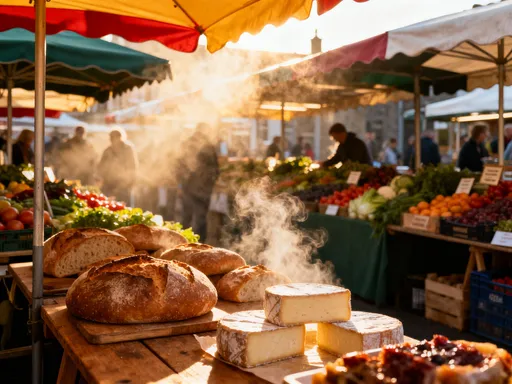
A short walk from the cathedral, the Heumarkt area unfolds as a vibrant hub where history and hunger intersect. Once a medieval hay market, this open square is now framed by centuries-old buildings with gabled facades and preserved Roman foundations visible in nearby archaeological sites. Every Thursday and Saturday, the space transforms into a bustling food market, drawing locals and visitors alike with its rich tapestry of aromas and flavors. Here, the past is not behind glass—it is part of the air, the ground, the very act of choosing lunch.
The sensory experience is immediate and layered. The smoky scent of grilled bratwurst rises from stands where vendors flip sausages over open flames. Nearby, baskets overflow with rye bread, pickled vegetables, and wheels of aged cheese. International influences are strong—Turkish döner, Vietnamese pho, and Spanish tapas sit comfortably beside traditional German fare. This diversity is not a departure from tradition but an extension of it. Cologne has long been a city of trade and transit, and its food culture reflects that openness. What makes the market special, however, is not just the food, but the setting. Eating beneath historic eaves, with ancient stone walls as backdrop, adds a dimension of authenticity that no modern food hall can replicate.
The textures of the space contribute to the experience. Cobblestones underfoot, the roughness of weathered timber beams, the cool shadow of an arched gateway—all ground the visitor in a sense of place. Sound plays a role too: the crackle of grills, the chatter of bargaining, the occasional burst of accordion music from a street performer. These details combine to create a living tableau, where food is not consumed in isolation but as part of a communal rhythm. The architecture does not merely shelter the market; it frames it, giving each interaction a subtle dignity.
For those planning a visit, practical considerations matter. Cash is still preferred at many stalls, though contactless payments are increasingly accepted. Arriving mid-morning on a Saturday ensures the fullest selection and a lively but not overwhelming crowd. While specific vendor names are not highlighted—both to avoid outdated references and to encourage personal discovery—certain types of stands are worth seeking out: those offering freshly smoked fish, handmade pastries, or regional wines from the nearby Ahr Valley. The market is also family-friendly, with space for children to move safely and seating areas for longer stays. Above all, the Heumarkt teaches a simple lesson: the best meals are often those shared in places where history is not remembered, but lived.
Bridges, Beer, and Bites
Cologne’s bridges are more than passages over the Rhine—they are connectors of culture, cuisine, and casual connection. The Hohenzollern Bridge, in particular, stands as a symbol of both engineering and emotion. Its steel arches carry not only trains and pedestrians but also thousands of love locks, each a small testament to personal stories. Along its base, near the riverbanks, informal beer stalls known as *Kölsch-Buden* offer a quintessential Cologne experience: a small, cylindrical glass of locally brewed Kölsch, served with a smile and often accompanied by a quick bite.
Kölsch is more than a beer; it is a point of civic pride. Light, crisp, and fermented with care, it is best enjoyed fresh and close to its source. The tradition of serving it in small 0.2-liter glasses ensures it stays cold and encourages conversation. At these riverside stalls, the pace of life slows. People stand in small groups, leaning on low railings, watching boats glide past while sharing stories. Some pair their beer with a *Bratwurst im Brötchen*—a grilled sausage in a soft roll—or a simple pretzel. The food is basic, but the setting elevates it. The Rhine flows steadily, the cathedral appears in the distance, and the industrial elegance of the bridge’s structure adds a layer of quiet poetry.
These transitional spaces—between land and water, past and present, formal and informal—foster a unique kind of dining. There are no tablecloths, no reservations, no menus. Yet, the authenticity is undeniable. Travelers seeking genuine interaction with local life will find it here, in the easy camaraderie of strangers sharing a drink by the water. The atmosphere is inclusive, with families, couples, and solo visitors all welcome. Safety is generally high, especially during daylight hours, and the city’s strong public presence ensures that the area remains welcoming and well-maintained.
Crowd levels vary. Weekday afternoons are quiet, ideal for reflection. Evenings, especially in summer, bring a livelier crowd, with music sometimes drifting from nearby bars. For a relaxed vibe, late afternoon offers the best balance—enough activity to feel connected, but not so much as to feel crowded. Public restrooms are available nearby, and trash bins are regularly emptied, reflecting the city’s commitment to cleanliness and order. The Hohenzollern Bridge experience is not about luxury; it is about presence. It reminds visitors that some of the most meaningful moments in travel come not from grand tours, but from standing still, glass in hand, feeling the river breeze and the weight of history in the air.
Hidden Courtyards and Culinary Secrets
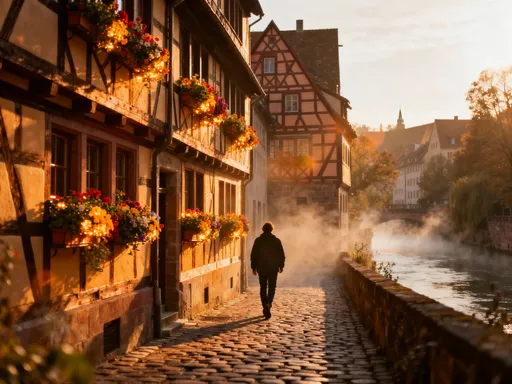
Behind Cologne’s unassuming street-level doors lie some of its most enchanting spaces—medieval *Höfe*, or inner courtyards. These hidden enclaves, often invisible from the sidewalk, open like secrets into quiet, ivy-draped oases. Tucked within them, one might find a small wine bar lit by lanterns, a family-run *Bistro* serving seasonal dishes, or a quiet café where time seems to pause. The architecture here is intimate: half-timbered walls, arched doorways, worn stone steps. The atmosphere is one of discovery, of having stumbled upon something rare and personal.
The surprise factor is part of the charm. Unlike the cathedral or the market, these spaces are not on every tourist map. They require curiosity, a willingness to wander, and an eye for subtle clues. A narrow passageway between two shops, a weathered wooden door slightly ajar, a sign with faded lettering—these are the invitations. Once inside, the city’s noise fades. The courtyards absorb sound, creating a sense of enclosure and peace. In one, a fountain might trickle softly; in another, potted herbs line the walls, releasing their scent when brushed by a passing sleeve. These details make the experience multisensory, not just visual.
Dining in a *Hof* is an exercise in intimacy. Tables are close together, conversations are hushed, and service feels personal. The menus often highlight regional ingredients—Riesling from nearby vineyards, asparagus from the Rhineland, game in season. The architecture influences the mood: low ceilings encourage closeness, candlelight enhances warmth, and the irregular shapes of old walls create nooks that feel like private retreats. Even in summer, when doors are open to the street, the space retains its seclusion. It is a reminder that privacy and community can coexist, especially in a city that values both history and hospitality.
For travelers, finding these courtyards is part of the journey. There is no single guidebook list, and relying solely on apps may miss the spontaneity that defines them. Instead, the best approach is to walk slowly, look for architectural inconsistencies—a door that doesn’t match its neighbors, a gap where a building once stood, a staircase leading nowhere obvious. Following locals helps; residents often know the quiet routes. Cultural signage, such as plaques indicating historical buildings or heritage sites, can also point the way. The key is patience. These spaces are not hidden to exclude, but to protect—a fragile balance between preservation and accessibility. To dine in a *Hof* is to be trusted with a secret, and that trust deepens the meal.
Modern Flavors in Restored Spaces
Cologne’s architectural story is one of resilience. Much of the city was rebuilt after World War II, not as replicas, but as thoughtful reconstructions that honor memory while embracing function. This philosophy extends to its dining culture, where contemporary restaurants thrive within restored facades. A 19th-century warehouse, once used for grain or textiles, may now house a sleek sushi bar or a modern bistro with an open kitchen. The contrast is deliberate: the exterior speaks of continuity, the interior of innovation. This duality reflects Cologne’s broader identity—a city that respects its past without being bound by it.
In districts like Ehrenstraße, this blend is particularly vibrant. Here, preserved brickwork and ornate cornices frame glass doors and minimalist interiors. One might dine on seared tuna with beetroot puree in a space that once stored wine barrels, the original beams still visible above. The depth of history adds gravity to the experience. Knowing that the walls have witnessed generations of labor, celebration, and survival lends emotional weight to the present moment. The food, often experimental, feels more meaningful when served in a space that has itself been reinvented.
This adaptive reuse is not merely aesthetic; it is sustainable. By repurposing existing structures, Cologne reduces waste and preserves urban character. It avoids the homogenization that plagues many modern cities, where glass towers erase local identity. Instead, each restaurant becomes a dialogue between eras. The menu may be global, but the setting is distinctly Cologne. This respect for memory in architecture influences dining aesthetics in subtle ways—lighting is often warm, materials are natural, and layouts prioritize human scale over spectacle. The result is spaces that feel lived-in, not staged.
For visitors, exploring these areas offers a deeper understanding of the city’s values. It is possible to enjoy cutting-edge cuisine without leaving the historical fabric. Reservations are often recommended, especially on weekends, as these restaurants are popular with both locals and discerning travelers. The service tends to be attentive but unpretentious, reflecting a cultural preference for warmth over formality. In these spaces, the past is not a decoration—it is a foundation. And the food, served atop that foundation, carries a quiet reverence for what came before.
Riverfront Dining and Urban Design
The Rheinauhafen district presents a striking contrast to Cologne’s medieval core. Once a working harbor, it has been reimagined as a waterfront destination where bold architecture meets refined dining. The most iconic structures are the *Kranhäuser*—crane houses that tilt dramatically over the water, their asymmetric forms inspired by the old harbor cranes that once operated here. These buildings, with their cantilevered shapes and reflective surfaces, create a futuristic skyline that feels both daring and harmonious with the river’s flow.
Dining in Rheinauhafen is an immersive experience. Restaurants along the quay offer panoramic views, especially at sunset, when the light catches the glass facades and paints the water in gold and violet. Menus here reflect the architectural ambition—chefs experiment with technique and presentation, offering dishes like smoked eel with horseradish foam or duck breast with spiced red cabbage and juniper jus. The food is not about tradition alone; it is about evolution. Just as the city’s skyline has transformed, so too has its palate.
The connection between design and cuisine is intentional. Architects and chefs alike work with space, balance, and innovation. The bold lines of the *Kranhäuser* mirror the precision of a plated dish; the interplay of light and shadow in the buildings echoes the layering of flavors on a menu. Even the furniture and tableware are often curated with the same care as the architecture—minimalist, functional, yet elegant. This cohesion enhances the dining experience, making it feel like part of a larger artistic vision.
Accessibility is excellent, with tram lines connecting Rheinauhafen to the city center in minutes. Many restaurants offer outdoor seating in warmer months, with heaters and umbrellas ensuring comfort. Reservations are strongly advised, particularly for weekend dinners or special occasions. The atmosphere is sophisticated but not stiff—business dinners, anniversary celebrations, and curious food lovers all find their place here. What stands out is the sense of possibility. In this district, Cologne shows that honoring the past does not mean rejecting the future. It can, instead, mean building upon it with courage and creativity.
Why This Fusion Matters
Cologne’s identity is not built on landmarks alone, but on lived experience. The city understands that memory resides not just in monuments, but in moments—like biting into a warm pretzel as the cathedral bells chime, or toasting with a glass of Kölsch as the Rhine darkens under twilight. These are the experiences that linger, long after the journey ends. What makes them powerful is the fusion of architecture and cuisine—not as separate attractions, but as intertwined elements of a single story.
This fusion speaks to broader travel values: authenticity, immersion, sensory storytelling. In an age of curated Instagram moments and fast-paced itineraries, Cologne offers a counterpoint. It invites travelers to slow down, to let the environment shape the meal, and the meal shape the memory. Eating beneath vaulted ceilings, beside reconstructed walls, or in buildings that once served entirely different purposes—all of these experiences carry emotional weight. They remind us that places have souls, and that food, when shared in the right setting, can be a form of communion.
The city’s approach is a model for others. It shows that preservation and progress are not opposites, but partners. Historic structures can house modern life without losing their meaning. Culinary innovation can honor tradition without imitating it. And travelers, in turn, can seek destinations where the built environment is not a backdrop, but a participant in the journey. Cologne does not offer mere sightseeing or dining—it offers synthesis.
So the next time you plan a trip, consider not just what you will see or eat, but how those experiences will intertwine. Look for cities where the streets have stories, where buildings breathe with memory, and where every meal feels like a conversation across time. In Cologne, that conversation is rich, warm, and deeply satisfying. It begins with a view, continues with a bite, and ends with a sense of belonging—even if only for a moment. That is the true taste of the sky.